
Sub-Total: $0.00
Is Sourdough Easier to Digest? What I’ve Learned From Baking It at Home
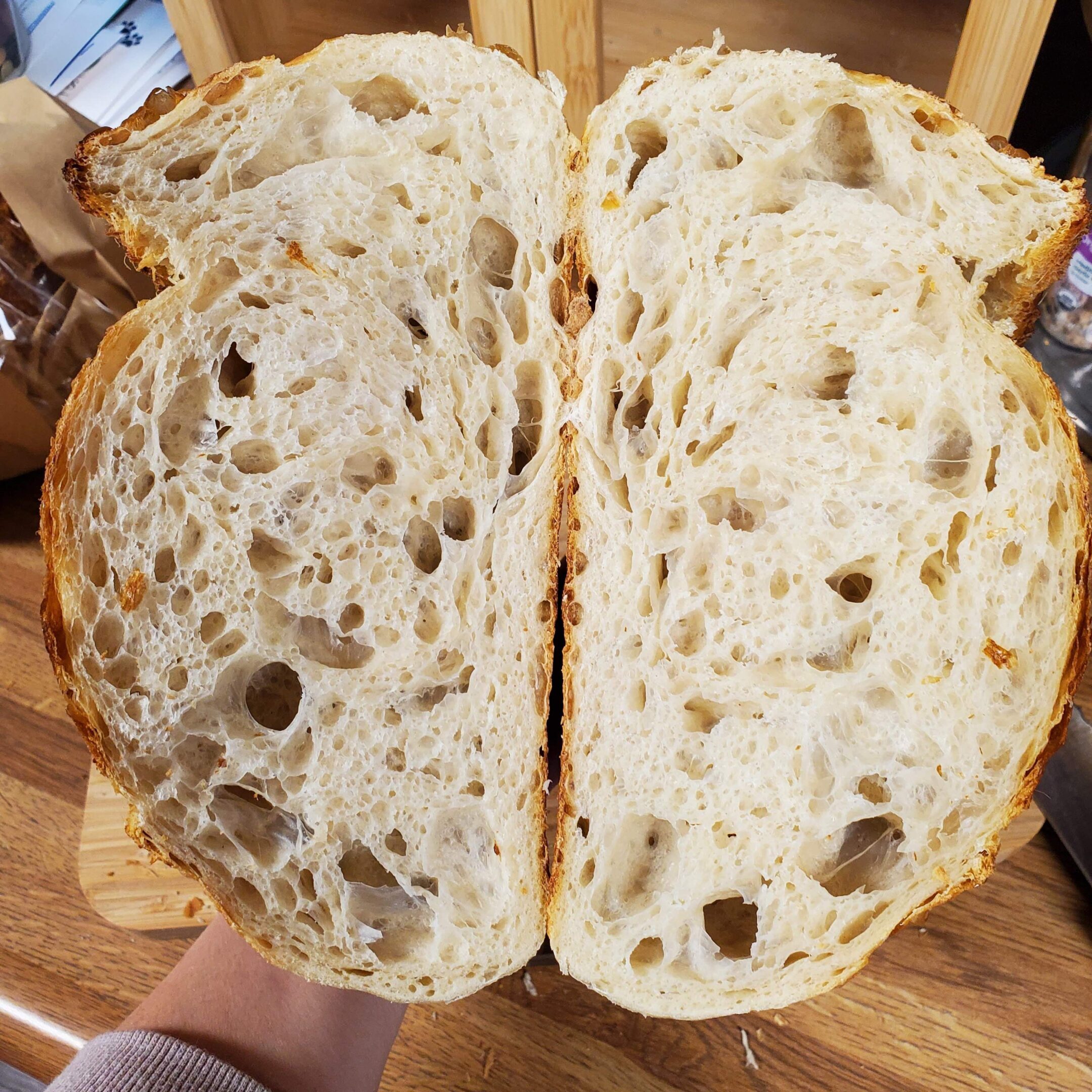
When I first started baking sourdough, I wasn’t trying to follow a trend.
I was just tired of reading ingredient labels on store-bought bread and wondering why something as simple as flour and water needed so many additives.
But something unexpected happened once I switched to traditional sourdough.
It didn’t just taste better.
It felt better.
I noticed I didn’t feel as heavy after eating it. No bloating. No sluggishness. And that’s when I started asking the question:
Is sourdough actually easier to digest — or was it just in my head?
After baking and observing thousands of loaves over the years, I’ve noticed consistent differences between long-fermented sourdough and conventional bread. Here’s what I’ve learned.
What Makes Sourdough Different From Regular Bread?
Most store-bought bread is made with commercial yeast and rises quickly — sometimes in just a couple of hours.
Traditional sourdough is different.
It uses:
- Wild yeast
- Naturally occurring lactic acid bacteria
- Long fermentation (often 8–24 hours)
That long fermentation process changes the dough in important ways.
The Role of Fermentation
During fermentation:
- Natural bacteria begin breaking down gluten proteins
- Phytic acid (a compound found in grains) is reduced
- Starches begin to pre-digest
In simple terms:
The dough does some of the work before you eat it.
That’s very different from fast-risen bread.
This doesn’t mean sourdough is “gluten-free.” It isn’t.
But the fermentation process may make it gentler for some people compared to conventional bread.
This is the quiet kind of kitchen magic that makes sourdough so special.
Why Some People Feel Better Eating Sourdough
From my own experience — and from many conversations with customers — people often report:
- Less bloating
- Easier digestion
- Feeling satisfied longer
- No “bread coma” feeling
While I’m not a scientist, both traditional methods and modern research suggest…
- Lower the glycemic response
- Increase mineral availability
- Improve digestibility of certain compounds
But I always say this:
Everyone’s body is different.
What works beautifully for one person may not work for another.
Why Time Matters
One of the biggest mistakes beginners make is rushing fermentation.
In my own kitchen, I can see and feel the difference in dough structure when fermentation is rushed versus when it’s allowed to fully develop.
The longer rise — especially the overnight cold proof — is where much of the magic happens.
That’s why in my simple sourdough bread recipe, I always recommend allowing full bulk fermentation and an overnight rest in the refrigerator.
If you haven’t tried that method yet, you can find my full step-by-step recipe here:
👉 Simple Farmhouse Sourdough Bread Recipe (Beginner-Friendly + Digestible)
Is Sourdough Right for Everyone?
No food works for everyone.
If someone has celiac disease or a severe gluten intolerance, sourdough is not a safe alternative.
But for many people who simply feel uncomfortable after conventional bread, long-fermented sourdough may be worth trying.
The key is:
- Traditional methods
- Quality flour
- Patience
Why I Stick With It
For me, sourdough is about more than digestion.
It’s about:
- Simplicity
- Slowing down
- Returning to traditional food preparation
- Feeding my family something I feel good about
And yes… sometimes managing fermentation timing while keeping roosters from fighting in the yard.
But that’s part of the rhythm.
If you’re curious about trying sourdough for yourself, I share my exact beginner-friendly recipe here:
👉 Simple Farmhouse Sourdough Bread Recipe (Beginner-Friendly + Digestible)
And if you’re just getting started, I also offer the same organic sourdough starter I use in my own kitchen — with tips included to make the process less overwhelming.
Final Thoughts
Sourdough isn’t a miracle food.
But it is traditional.
And sometimes going back to traditional methods is exactly what our modern kitchens are missing.
If you’ve been on the fence about trying it, this might be your sign.
Continue Your Sourdough Journey
👉Simple Farmhouse Sourdough Bread Recipe (Beginner-Friendly + Digestible)
Learn the full beginner-friendly process for mixing, fermenting, shaping, and baking sourdough bread.
👉Beginner Sourdough Mistakes: Why Your Loaf Is Flat, Dense, or Gummy (And How to Fix It)
Common reasons sourdough loaves turn out flat, dense, or gummy — and how to fix them.
👉My Exact Sourdough Baking Schedule (How I Make It Work In My Home Bakery)
See how I manage fermentation, shaping, and baking when making dozens of loaves each week.
Tags: Education